A franchise under $200,000 sounds simple. In reality, the number hides big differences.
A $150,000 mobile trade business and a $150,000 contractor-style concept with a large crew are very different investments. This guide shows how to compare franchises under $200,000 fairly, and where spray foam insulation fits.
In this post, we will answer the following questions:
- What does "under $200,000" actually mean?
- What types of construction-related franchises fall under $200,000?
- Where does spray foam insulation fit?
- What are the red flags on very cheap franchises?
- How do you pay for a franchise under $200,000?
- How do you evaluate any sub-$200K opportunity?
What Does "Under $200,000" Actually Mean?
Most franchisors publish a total investment range. That range usually covers the franchise fee, equipment, a vehicle or build-out, training, launch costs, and working capital.
It is not just the check you write on day one.
Why the Franchise Fee Alone Is Misleading
A franchise with a low fee can still cost more over time. Ongoing royalties, ad fees, rent, and staffing can outweigh a big upfront price.
A franchise with no storefront and a small crew can cost less to run, even with a higher starting investment.
Three Things to Check Before You Trust Any "Under $X" Headline
- Total investment range: Look for itemized fees, equipment, vehicle or build-out, and working capital.
- Ongoing fees: Check royalties, brand fund, technology fees, and marketing contributions.
- Operating model: Mobile trade services work from a vehicle. Other concepts need a storefront, a shop, or a large crew.
Cheap to buy and cheap to run are two different questions. Only the second one decides whether the business makes money.
Where Does Spray Foam Insulation Fit?
Most construction-related franchises under $200,000 fall into three groups. Each has its own cost and operating model.
Light construction and home-improvement services
Handyman work, painting, and minor repairs carry the smallest investments. The trade-off is a lower revenue ceiling and plenty of local competition.
Remodeling, restoration, and contractor-style services
These handle larger projects. They often need bigger crews, licensing, and more project management, and many cost more than $200,000.
Specialty trade services
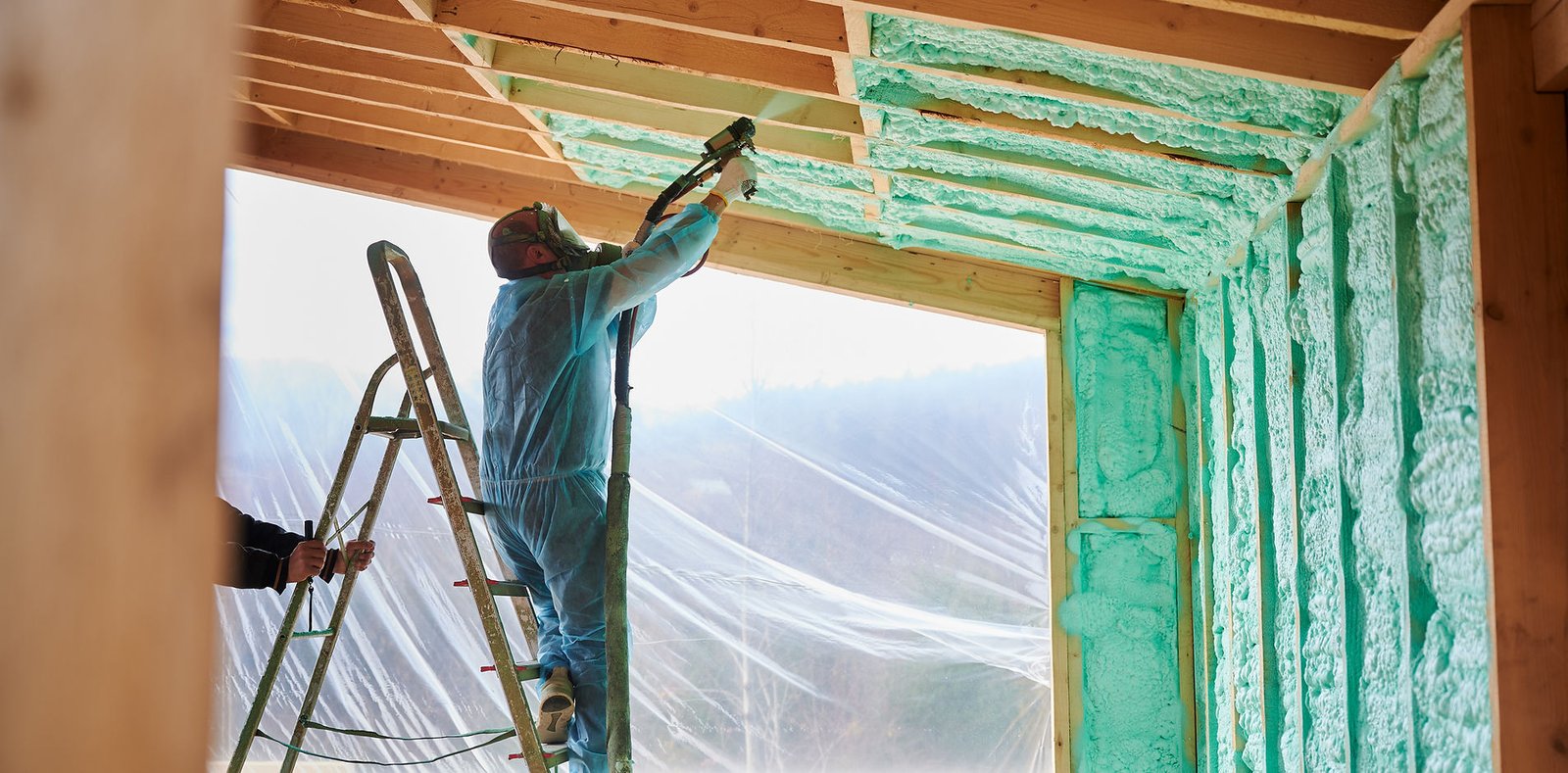
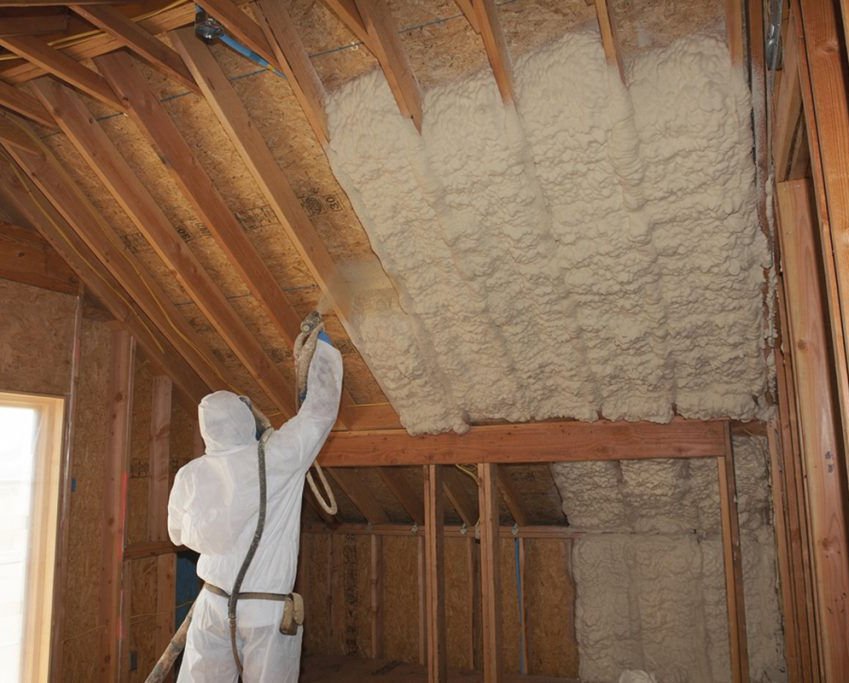
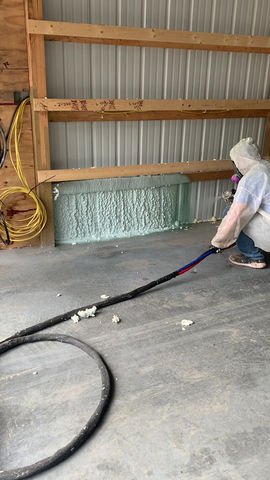
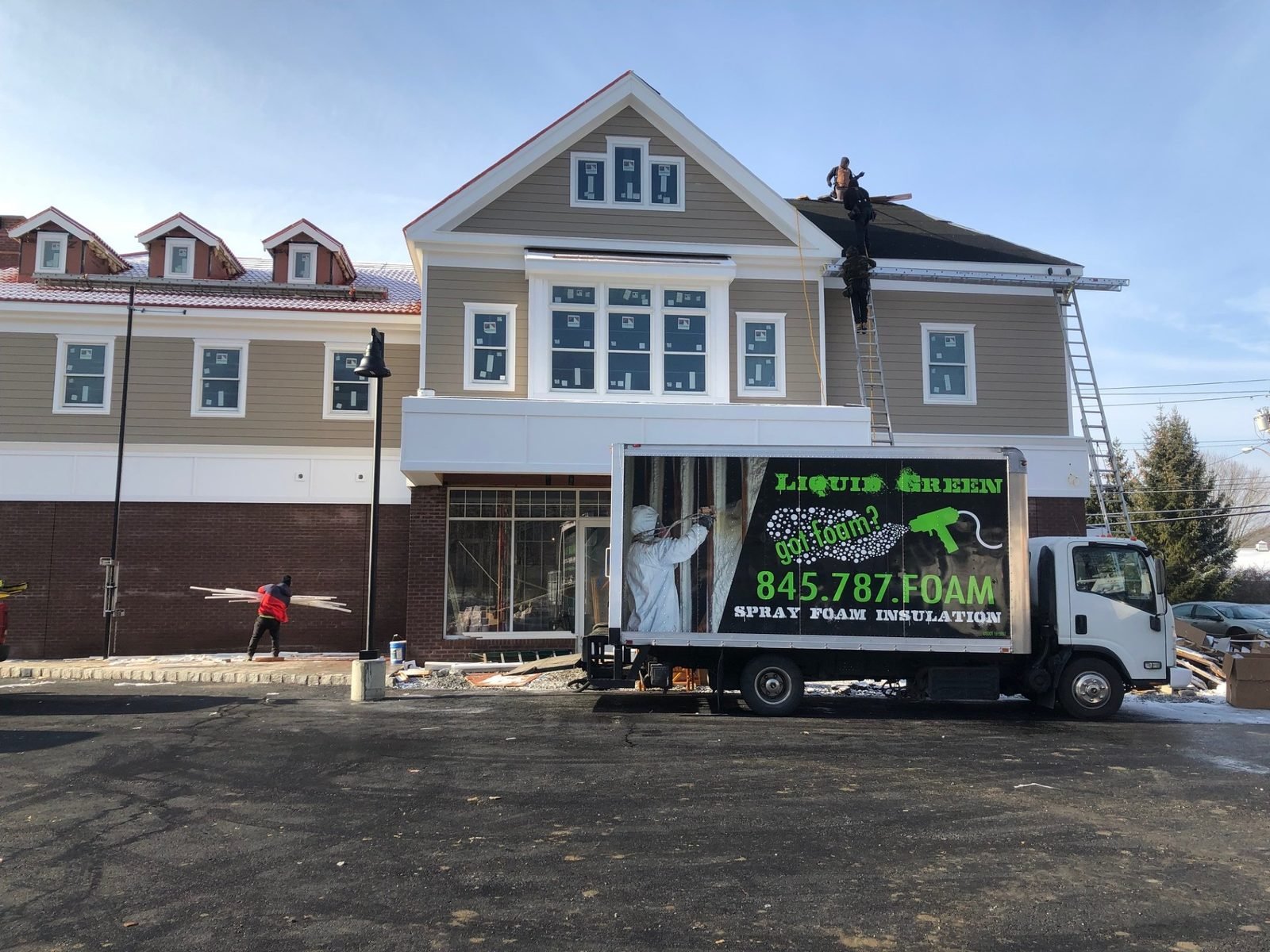
Spray foam insulation sits in the middle. Owners run a mobile business from a truck or trailer, use specialized equipment, and rely on trained crews.
Spray foam pairs a real product with a real, lasting need.
The U.S. Department of Energy notes that insulating and sealing a home can reduce energy waste and improve comfort. Spray foam both insulates and air-seals in one application, which is a big part of its appeal.
Why the Model Works Without a Storefront
You travel to the customer. That means no rent on a building you do not need, and ongoing costs that stay more predictable.
Your biggest operating costs are your rig, materials, and crew.
What Liquid Green Costs
The estimated start-up investment runs from $136,000 to $194,000. That covers the spray rig and equipment, a vehicle, initial inventory, training and onboarding, branding and launch, and a working capital reserve. Confirm current figures in the Franchise Disclosure Document (FDD).
See each line in our spray foam franchise cost breakdown, or learn more about what a spray foam rig costs.
Owner Role
Some franchise models require the owner to do the technical work. Many spray foam owners instead run the business while trained crews handle installs.
Ask any franchisor which role it expects. Then see what the work looks like in what a spray foam job day looks like.
How Do These Franchise Types Compare?
| Factor | Light construction / home improvement | Specialty trade (spray foam) | Remodeling / restoration |
|---|---|---|---|
| Work location | Customer sites | Customer sites, from a vehicle | Customer sites, often larger projects |
| Typical staffing | Owner alone or very small team | Small trained crew | Larger crews and subcontractors |
| Start-up cost | Often the lowest | Mid to upper sub-$200K | Often at or above $200K |
| Skills needed | Basic trade skills | Technical training plus safety | Project management and licensing |
| Main trade-off | Lower revenue ceiling, more local competition | More capital and safety training | More complexity and overhead |
This is a general guide, not a promise. Costs and results vary by brand and market.
What Should You Compare Beyond the Price?
Cost is the easy comparison. The operating model is the one that matters more.
Liquid Capital vs. Net Worth
Franchisors often set minimums for both. Liquid capital is cash you can access quickly. Net worth is total assets minus debts. Know both numbers before you apply.
Ongoing Fees
Royalties and brand fund fees come out of revenue for as long as you operate. They are not a one-time cost. Review them in FDD Item 6.
Territory
Ask how the territory is defined and how much is available. A great price in a crowded or limited area can be a weak deal.
Demand
Insulation demand is tied to homes and buildings. Some lighter service categories depend more on trends or a handful of repeat clients.
Revenue Potential
Do not trust any franchise that promises a number. Look at Item 19 of the FDD, if provided, and read it carefully. Our guide to reading Item 19 explains how.
For the profit side, see is a spray foam business profitable.
Cheap to Buy vs. Cheap to Run: A Simple Example
Here is an illustration with made-up numbers, just to show the idea.
Franchise A is a low-fee concept with a large crew, licensing costs, and a heavy ad fee. Franchise B has a higher starting investment but runs from a truck with a small crew.
After a few years, Franchise A's monthly costs may outweigh its lower entry price. This is why total cost of ownership matters more than the headline number.
What Are the Red Flags on Very Cheap Franchises?
- Earnings promises with no FDD Item 19 support
- Vague or missing training details
- Many closures or transfers in FDD Item 20
- Pressure to sign quickly
- Unclear territory rights
- Hidden or fast-rising ongoing fees
A low price is not a red flag by itself. A low price combined with weak support and thin disclosure is.
How Do You Pay for a Franchise Under $200,000?
Many buyers use a mix of savings and outside funding. Common options include SBA loans, retirement rollovers, and equipment financing.
Learn how each works in our guide to spray foam franchise financing.
How Do You Evaluate Any Sub-$200K Opportunity?
Most screening is the same across categories. Start with our seven-point checklist for evaluating franchise opportunities, then add these questions for lower-priced brands:
- Does the model work at low volume?
- Are the founders and leadership team still involved?
- How many owners have closed or sold in the last few years?
- Is the training hands-on, and how long does it last?
Read the full FDD, which you must receive at least 14 calendar days before signing under the FTC Franchise Rule.
Is It a Good First Franchise?
If this is your first time buying a business, read franchise for beginners: is a spray foam insulation business a fit?. It helps you test your skills, budget, and market. For the process from start to finish, see how to become a franchise owner.
Weighing your options? Compare franchise vs. starting your own business and how to choose a spray foam franchise.
What Should You Do Next?
1. Set your real budget, including a cash reserve.
2. List two or three franchises across different franchise types.
3. Compare total investment, ongoing fees, and territory.
4. Read each FDD with an attorney and an accountant.
5. Call current owners before you decide.
If you want to put spray foam on your shortlist, request the Liquid Green franchise kit. It includes the investment range, the territory model, and the training timeline.
Disclosure: This article is for general information only and is not legal or financial advice. Dollar figures are estimates. Review the current Liquid Green FDD for official figures and terms.