Starting a spray foam insulation franchise involves more than paying a franchise fee. You’ll also need professional spray foam equipment, a vehicle or trailer, initial materials, insurance, and enough working capital to keep the business running while you build your customer base.
For many aspiring owners, paying for all of that upfront isn’t realistic. That’s where spray foam insulation financing comes in. Options like SBA 7(a) loans, retirement fund rollovers, and equipment financing can help qualified buyers spread out startup costs or combine different funding sources.
This guide explains the most common franchise funding options, how they work, what lenders look for, and how to prepare for the financing process. If you’re considering a Liquid Green franchise, reviewing the cost breakdown and the current FDD is a good first step.
What You’re Actually Financing
Before choosing a financing option, it helps to know exactly what your startup investment needs to cover. Lenders generally want a detailed breakdown of expenses rather than a single estimated startup amount.
Franchise fee
This is the initial payment for the right to operate under the franchise brand, including applicable training and support. It’s typically the line item lenders ask about first.
Spray foam equipment
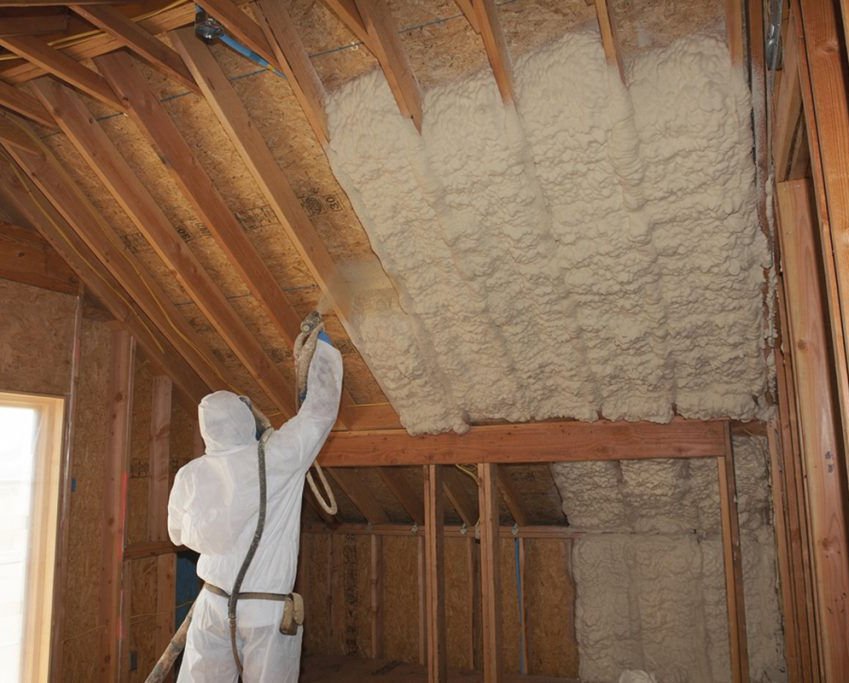
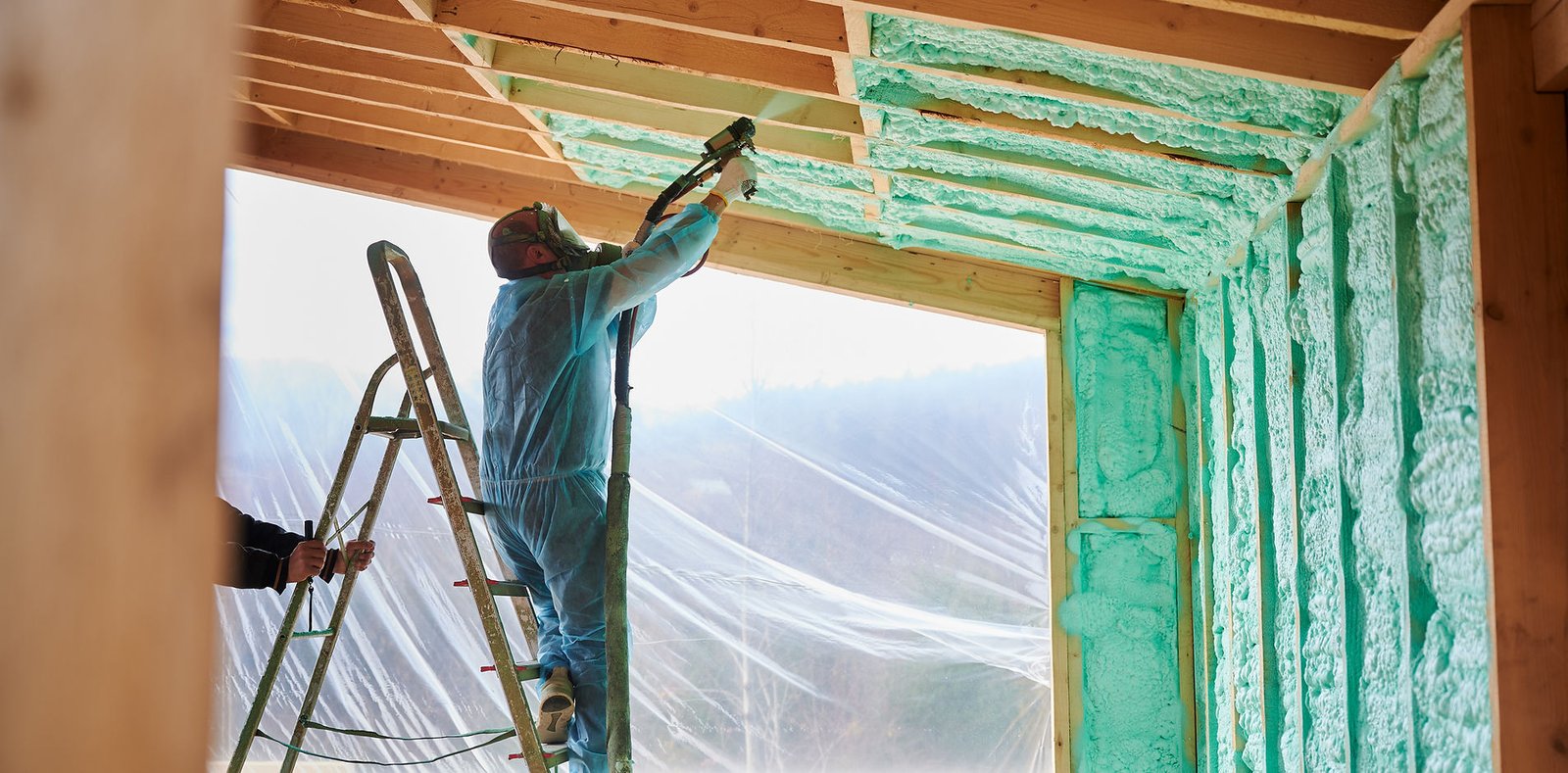
A proportioner, spray rig, hoses, spray gun, compressor or generator, and personal protective equipment (PPE) make up the working rig. See our full cost breakdown for how this typically gets itemized.
Vehicle or trailer
This covers transportation for equipment, materials, and tools to residential or commercial job sites.
Initial materials inventory
This covers the open-cell and closed-cell spray foam chemicals and other supplies needed to begin operations.
Working capital
This covers payroll, insurance, marketing, fuel, maintenance, and other operating expenses before revenue becomes consistent. Lenders want to see this planned for, not assumed away.
Each expense affects how much financing you may need and which funding option makes the most sense. Equipment financing, for example, may cover a spray rig but not the franchise fee or early operating expenses. An SBA 7(a) loan, on the other hand, may allow eligible borrowers to finance several startup expenses through one loan.
If you’re still weighing this investment against other price points, see how a spray foam franchise compares in our guide to franchises under $200K.
SBA 7(a) Loans: The Most Common Path
The SBA 7(a) loan program is one of the primary government-backed financing options available to eligible small businesses, including qualifying franchise operations.
Rather than lending money directly, the U.S. Small Business Administration guarantees a portion of loans issued by participating lenders. This reduces some of the lender’s risk and can make financing more accessible to qualified small business owners.
For someone seeking an SBA loan for a spray foam business, a major advantage is the ability to finance multiple eligible expenses under one loan. Depending on the lender and approved use of funds, a 7(a) loan may cover the franchise investment, equipment purchases, supplies, and working capital together.
Lenders typically evaluate several factors before approving a loan like this.
Franchise eligibility
The brand must meet applicable SBA franchise requirements, including listing in the SBA Franchise Directory when required.
Owner equity contribution
Startup financing commonly requires an equity injection. Under applicable SBA rules, a new business generally must contribute at least 10 percent of total project costs, although individual lenders may require more.
Credit and financial history
Lenders review personal credit, existing debts, financial resources, and tax returns.
Business plan
This means a realistic explanation of how the franchise will attract customers, generate revenue, and repay its loan.
Repayment ability
Cash-flow projections and other financial information need to show the business can reasonably support its obligations.
Collateral and guarantees
This covers available business or personal assets and any guarantees required under the loan terms.
SBA 7(a) loans generally offer repayment terms of up to 10 years for many non-real-estate financing needs, with certain exceptions based on the assets financed. That said, SBA backing does not guarantee approval. Applicants still need to meet program requirements and the lender’s own underwriting standards. Before applying, confirm Liquid Green’s current SBA franchise eligibility with your lender or franchise development representative.
Rollover for Business Startups (ROBS)
Another potential franchise financing option is a Rollover for Business Startups, or ROBS, arrangement.
ROBS allows eligible retirement savings, often from a previous employer’s 401(k), to be used to invest in a new business without immediately treating a properly structured rollover as a taxable retirement withdrawal. Unlike a traditional business loan, ROBS financing does not create a monthly principal-and-interest payment.
The process generally involves establishing a new C corporation, creating a qualifying retirement plan for that business, transferring eligible retirement funds into the plan, and having the plan purchase stock in the corporation. The money invested in the corporation can then support eligible business startup expenses.
For a spray foam insulation franchise owner, ROBS may be worth considering to:
- Provide an equity contribution toward an SBA loan
- Reduce the amount of startup debt needed
- Finance some initial business expenses without conventional borrowing
Using retirement savings to fund a franchise comes with real risk, though. If the business struggles or fails, the invested retirement funds may lose value. ROBS arrangements also require ongoing administration, proper reporting, and compliance with retirement plan regulations. The IRS provides specific ROBS compliance guidance, including warnings about improper plan administration and potential tax consequences.
Because of these complexities, prospective owners should consult qualified retirement-plan and tax professionals before using a ROBS arrangement. Before putting retirement funds at risk, it’s also worth reviewing the category’s underlying economics in Is a Spray Foam Business Profitable?
Equipment Financing
Professional spray foam equipment can represent a substantial portion of the initial investment. Equipment financing offers another way to manage that cost without paying the entire purchase price upfront.
With this type of financing, a lender provides funds to purchase qualifying equipment, and the business repays the financing over an agreed term. The equipment itself often serves as collateral. For spray foam franchise owners, this may apply to purchases such as:
Equipment financing can be particularly useful when the business owner has enough capital for the franchise fee and other startup costs but prefers to preserve cash for operations. Some equipment loans offer shorter approval timelines than more comprehensive business loans, and repayment periods may range from roughly three to five years, though actual terms vary by lender, asset, and borrower.
The tradeoff is that financing equipment separately can mean managing multiple monthly payments. Before choosing this option, compare the total borrowing cost, interest rate, repayment schedule, required down payment, fees, and any restrictions on the financed equipment. It’s also worth comparing separate equipment financing against an SBA 7(a) loan that could cover multiple eligible startup expenses instead.
What to Bring to a Lender Conversation
Preparing your financing documents before contacting lenders can make the application process more efficient. Whether you’re exploring an SBA loan, equipment financing, or a combination of funding sources, having a clear financial picture helps lenders assess your readiness.
1. Franchise Disclosure Document (FDD).
Review Item 7 for estimated initial investment costs and Item 20 for franchise outlet information. Lenders may also request other sections. Our guide to reading Item 19 disclosures covers the financial performance side of that same document.
2. Personal financial statement.
Prepare a current summary of your assets, liabilities, income, and outstanding debts.
3. Tax returns.
Have two to three years of personal tax returns available, or the specific period requested by your lender.
4. Professional background.
Include a resume highlighting relevant management, sales, construction, or business operations experience.
5. Business plan and financial projections.
Develop a realistic 12-month cash-flow forecast that accounts for startup expenses, operating costs, sales assumptions, and debt repayments.
You should also know how much personal capital you’re prepared to invest and whether you’ll use more than one financing source.
A well-prepared application doesn’t guarantee financing, but it can help lenders make a more informed decision.
This article is provided for general educational purposes and does not constitute financial, tax, or legal advice. Franchise investment costs, financing eligibility, down payment requirements, and loan terms vary based on individual circumstances and current lending rules. Consult a qualified lender, accountant, financial advisor, or franchise attorney before making financing decisions. Review Liquid Green’s current Franchise Disclosure Document for official investment information.