Thinking about owning a spray foam insulation business? You’re not alone. Spray foam franchise opportunities have been getting a lot of attention from first-time business owners, and there’s a real reason for that.
This guide walks through what to actually look for before you invest. Use it as a checklist against any opportunity you’re considering, so you can compare brands on the same terms instead of just on a sales pitch.
What Is a Spray Foam Insulation Franchise Opportunity?
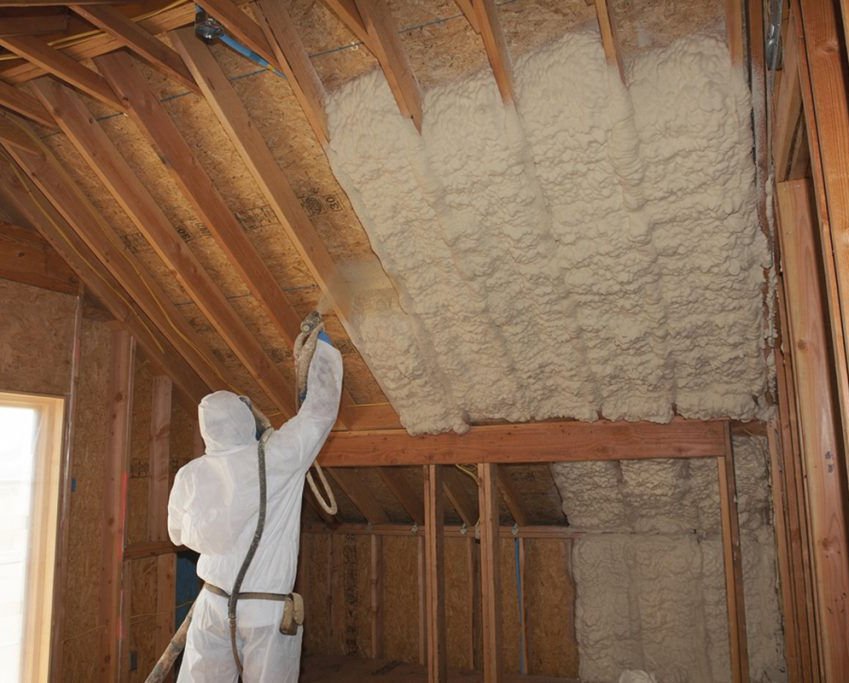
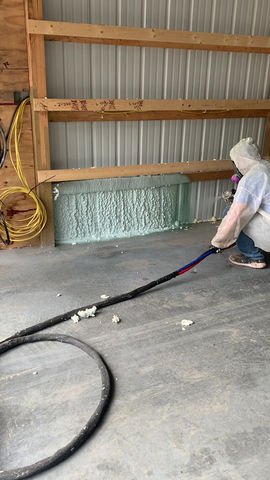
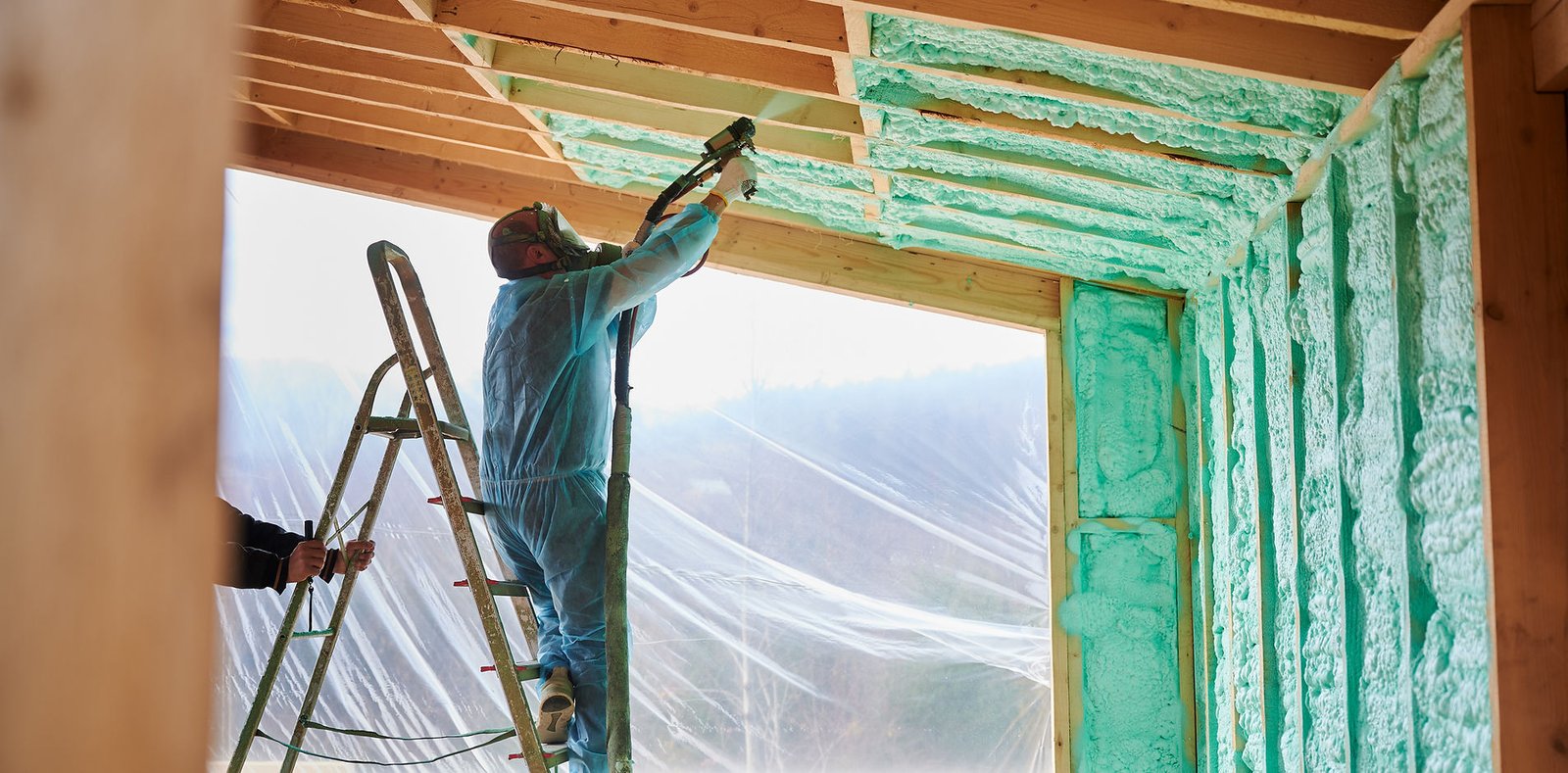
A spray foam insulation franchise lets you run a local insulation business under an established brand’s name, training, and systems. Instead of building everything from scratch, you follow a model that’s already been tested. You sell and install open-cell and closed-cell spray foam for homeowners and businesses in your area.
Spray foam is insulation that expands to fill gaps and seal a building. Because it insulates and stops air leaks at the same time, demand for it has stayed steady, which is a big part of why these opportunities get so much attention.
The strongest opportunities share a few traits in common: a clear cost breakdown, a protected territory, real training, and genuine customer demand behind them. The sections below break down each of those in more depth.
Why Spray Foam Franchises Are in Demand
Demand starts with a simple fact. Most buildings waste energy. ENERGY STAR estimates that roughly 90 percent of U.S. homes are under-insulated, which means the pool of potential customers is large almost everywhere you look.
Energy costs give homeowners a reason to act on it. Spray foam insulates and air-seals a home in one step, and that combination is part of what makes it effective at cutting waste. ENERGY STAR’s own research found that homeowners who seal and insulate can save an average of 15 percent on heating and cooling costs.
The broader market reflects this. Industry research generally shows the U.S. spray foam insulation sector growing at a steady mid-single-digit pace over the next several years, and the global spray foam insulation market was valued at roughly $2.87 billion in 2024, with projections putting it near $5.47 billion by 2034.
That demand spans residential and commercial work, plus agricultural buildings like barns and outbuildings. A wider customer base means more ways to keep crews busy throughout the year.
What to Look For in a Spray Foam Franchise: 7 Criteria
Not all franchise opportunities are equal. Two spray foam brands can look similar on the surface and still differ a lot in cost, support, and territory quality. Score each of the seven criteria below honestly before you sign anything.
| # | Criteria | What a strong opportunity looks like |
|---|---|---|
| 1 | Startup cost and fees | Full itemized breakdown, published up front, no hidden charges |
| 2 | Territory | Exclusive, clearly defined, with room to add territory later |
| 3 | Training and support | Hands-on and classroom training, ongoing marketing and CRM support |
| 4 | Product and service quality | Real performance data (R-value, air sealing, moisture control) |
| 5 | Overhead and scalability | Low fixed overhead, a model that scales with crews and territories |
| 6 | Track record and access | An established history and direct access to brand leadership |
| 7 | Licensing and compliance | Franchisor actively helps you meet state and local requirements |
The sections below walk through each row in more detail.
1. Transparent Startup Cost and Fees
You should be able to see exactly where your money goes. Look for a clear breakdown of the franchise fee, equipment, vehicle, and working capital, with no surprise charges buried in the fine print.
A trustworthy brand shares its full investment range up front. Liquid Green, for example, publishes a startup investment of roughly $136,000 to $194,000 on its franchise opportunity page (confirm the current range in the FDD, since published figures can change).
Be cautious with any pitch that promises “easy money” or stays vague about fees. A good brand will hand you a franchise brochure and a Franchise Disclosure Document so you can study the real costs on your own timeline. Request the kit or see the full cost breakdown for more detail.
2. A Protected, Well-Defined Territory
Your territory is where you’re allowed to do business. You want it exclusive, so another franchisee from the same brand can’t compete with you in your own backyard.
Ask how the territory is defined: by population, zip codes, or a radius. Also ask whether you can add territories later, so there’s room to grow as the business succeeds.
3. Training and Ongoing Support
This is where a strong franchise earns its fee. The best brands teach both the technical skills and the business skills, even if you’ve never touched a spray rig before.
Initial training should include hands-on and classroom instruction in application, sales, operations, and marketing. Ongoing support should include a real support team, marketing and lead generation help, and a CRM to manage customers. You want a partner, not just a logo.
4. The Product and Service Quality
Understand what you’ll actually sell. Spray foam comes in two main types. Open-cell is lighter and works well for sound dampening and air sealing. Closed-cell is denser, with a higher R-value.
Product quality is part of your due diligence here. Real performance advantages, like air sealing, high R-value, and moisture control, make the business easier to sell and easier to stand behind once it’s installed.
5. A Low-Overhead, Scalable Model
How a business is run affects how much you actually keep. A mobile model with no storefront keeps overhead low, since you bring the equipment to the customer instead of paying for retail space.
Scalability matters too. A model that lets you add crews and territories over time gives you a real path to grow, backed by recurring demand from both residential and commercial customers.
6. Brand Track Record and Founder Access
Experience counts. Ask how long the brand has actually been installing spray foam, and whether its leadership is easy to reach when you need help.
Direct access to the team behind the brand is a real advantage, especially with a newer, ground-floor franchise. Talk to current franchisees too, and ask what surprised them, good or bad. Our guide to franchise reviews and validation calls covers exactly what to ask.
7. Licensing, Insurance, and Compliance
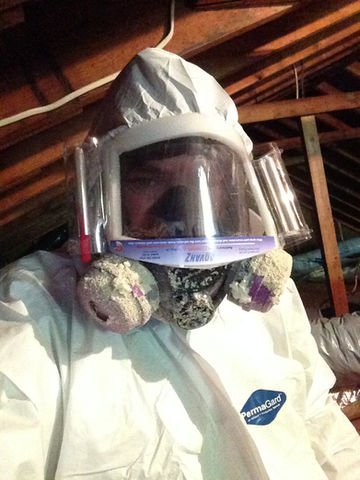
Spray foam is a skilled trade, and rules apply. Depending on your state or city, you may need a contractor license, business insurance, and safety compliance for handling the materials.
A strong franchisor helps you meet these requirements instead of leaving you to figure them out alone. Confirm what support you’ll actually get here before you commit.
Franchise vs. Starting Your Own Insulation Business
There are two paths into this industry: buy a franchise or start your own company from scratch. Each comes with real trade-offs. With a franchise, you give up some independence and pay fees in exchange for a brand, training, systems, and support. On your own, you keep full control, but you build everything yourself.
One reason many people lean toward franchising is the strength of the model industry-wide. The IFA’s 2025 economic outlook projects total U.S. franchise output to exceed $936 billion in 2025, with franchising expected to grow faster than the broader economy.
If you’re still weighing the two paths directly, see our full comparison: Franchise vs. Starting Your Own.
How Much Do You Need to Invest?
Spray foam franchises are a six-figure investment for most people. Total cost usually includes the franchise fee, equipment, a vehicle, and working capital to cover the first few months.
| Model type | Typical total investment | Notes |
|---|---|---|
| Mobile, low-overhead spray foam franchise (e.g. Liquid Green) | ~$136,000 to $194,000 | No storefront; lower fixed overhead |
| Larger national spray foam/insulation franchises | ~$190,000 to $240,000+ | Often includes a storefront or larger fleet |
These are general ranges, not quotes. It’s worth comparing more than one brand’s FDD side by side rather than assuming all spray foam opportunities cost the same.
Growth in the category helps explain why the investment is easier to justify today than it might have been a decade ago. See our full cost breakdown and franchises under $200K comparison for how this stacks up against other categories and is profitable for the margin side of the question.
How to Take the Next Step
Start by scoring your top choices against the seven criteria above: cost transparency, territory, training, product, model, track record, and compliance. The opportunity that checks the most boxes is usually the right fit.
Then do the homework that actually matters. Request the Franchise Disclosure Document, talk to current franchisees, and compare a few brands side by side before you commit. Our guides to reading Item 19 disclosures, evaluating franchise reviews, and choosing the right spray foam franchise walk through each step in more detail.
What powers this business is simple: real savings for real customers. That’s worth remembering when you’re deep in spreadsheets and FDD pages. The underlying demand is what makes the numbers work in the first place.
This article is general educational guidance, not a specific offer or financial advice. Investment figures, market data, and franchise terms vary and change over time. Always review Liquid Green’s current Franchise Disclosure Document and consult a franchise attorney before making an investment decision.