Starting a spray foam insulation business can be an opportunity to enter a growing industry.
But before you buy equipment or find your first customer, there’s a big decision to make. Should you start an independent spray foam company, or invest in a franchise?
Both paths let you own and operate a business. But they come with different costs, responsibilities, and levels of support.
Starting independently gives you control over your branding, pricing, and operations.
Franchising gives you an established business model, training, and systems designed to help you get started.
The U.S. spray foam insulation market is projected to reach $1.01 billion by 2030, according to Research and Markets. Understanding these differences can help you make a smarter investment decision.
This guide covers the advantages, challenges, startup costs, and key considerations of each path.
Understanding Spray Foam Insulation Franchising
Spray foam insulation franchising means buying the rights to operate under an established brand and its operating system.
Instead of developing every part of the business yourself, you follow a model that’s already been built. You manage your own local operations within that system.
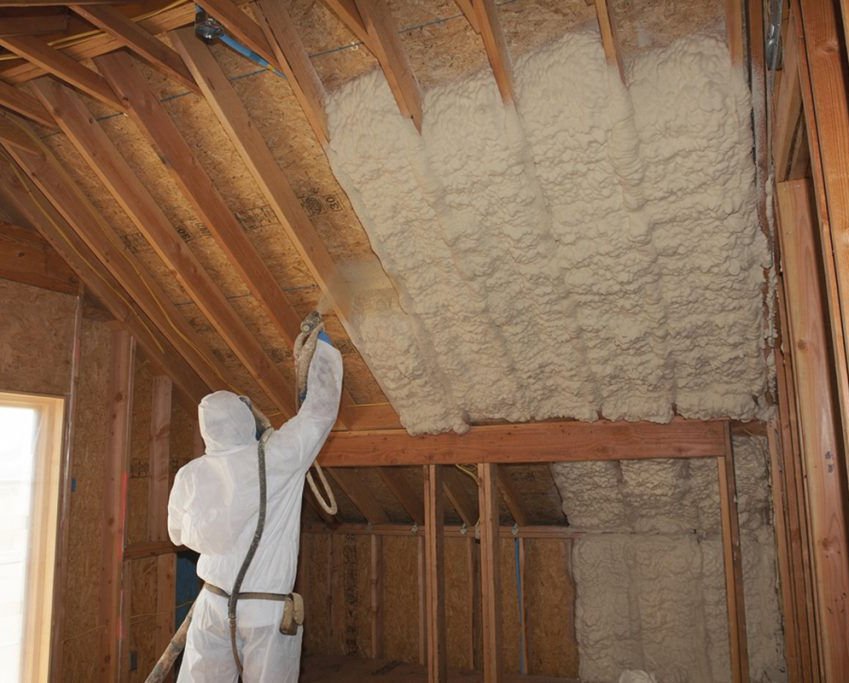
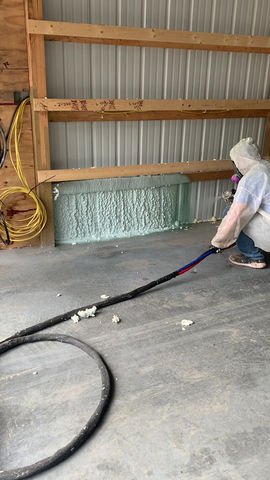
A spray foam insulation business installs specialized insulation in homes and commercial buildings. Spray foam is sprayed on as a liquid, then expands to fill gaps and seal the space.
Two common types are open-cell and closed-cell spray foam. Each serves a different insulation need. Open-cell foam is often used for sound reduction and interior work. Closed-cell foam is denser, with greater moisture resistance.
Franchise owners get varying levels of support depending on the brand. That typically includes technical training, equipment recommendations, operational guidance, and marketing resources.
The Liquid Green franchise opportunity offers structured training and onboarding. It’s built to help new franchisees learn spray foam application, equipment, sales, and daily operations.
Key Advantages of a Spray Foam Insulation Franchise
Established business model
One of the biggest advantages of franchising is a business model that’s already been built and tested.
Franchisees follow established procedures for equipment setup, customer service, project management, and growth, instead of creating every process from scratch. This can cut down on trial and error. Business success still isn’t guaranteed, though.
Brand recognition and marketing support
Building customer trust takes time, especially in a technical trade like spray foam insulation.
Franchisees operate under an established brand. That often comes with existing marketing materials, brand positioning, and customer acquisition strategies already in place.
Marketing support can help you reach residential and commercial customers without building every campaign yourself.
Training and operational guidance
Spray foam insulation takes specialized knowledge: application technique, equipment operation, chemical handling, ventilation, and safety.
For someone new to the industry, that training can be especially valuable. Liquid Green’s franchise program covers equipment, applications, sales, operations, and marketing. That means you can explore franchise ownership even without a spray foam background.
Equipment and startup guidance
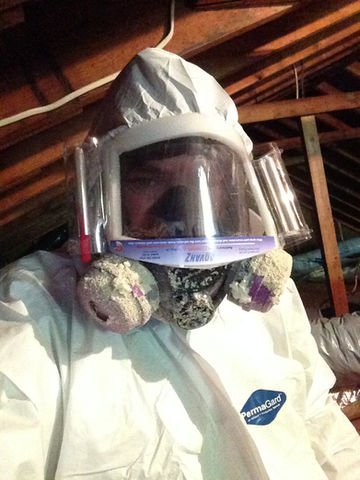
Starting a spray foam company takes specialized equipment: a spray rig, proportioner, hoses, spray gun, and safety gear.
Franchise systems often guide you through equipment selection, setup, and recommended suppliers. That helps you understand what you actually need before you start.
Ongoing business support
Franchisees often get ongoing help with marketing, operations, and business development.
That support system can matter a lot when you’re navigating customer acquisition, employee training, equipment maintenance, or growth. How much support you get, and for how long, depends on your franchise agreement.
Potential Challenges of Spray Foam Insulation Franchising
Initial franchise investment
Joining a franchise generally means paying an initial franchise fee, on top of equipment, materials, and other startup costs.
The total investment depends on the brand and its Franchise Disclosure Document (FDD). Review the spray foam franchise cost breakdown and the current FDD before you commit any money.
Ongoing fees and royalties
Depending on the agreement, you may owe royalties, marketing contributions, or other ongoing fees.
These affect your operating costs, so factor them into any profitability math. See Is a Spray Foam Business Profitable? for more on what drives margin.
Limited operational flexibility
Franchise owners are generally expected to follow brand standards and operational procedures.
That can limit flexibility in marketing, service offerings, supplier choices, or branding.
Dependence on the franchise brand
Operating under an established name means your business can be affected by the franchisor’s decisions, or by changes to the brand’s reputation.
Review the franchise agreement carefully so you understand your rights, obligations, and level of independence.
Understanding Starting an Independent Spray Foam Insulation Business
Starting independently means building your company from the ground up.
You’re responsible for equipment, licenses, insurance, safety procedures, branding, marketing, and finding customers. Unlike franchising, there’s no franchisor’s business model to follow and no royalties to pay.
This path tends to appeal to people who already have insulation, construction, or contracting experience and want more control. That said, you still need to build the technical knowledge and business systems to compete.
Key Advantages of Starting an Independent Spray Foam Business
Complete business control
Independent ownership means you decide on your brand, pricing, service areas, and operations.
You choose which markets to serve, how to market, and how to grow the company.
No franchise fees or royalties
Independent businesses don’t pay franchise fees or ongoing royalties. That removes a whole category of expense.
You still have to fund your own branding, training, marketing, and business development, though.
Flexibility in services and operations
You can adjust your services, equipment, and strategy based on local demand.
Some owners focus on residential work. Others focus on commercial jobs or specialized applications.
Opportunity to build your own brand
Independent owners get to build a unique company identity and a local reputation.
Over time, that brand can become a real business asset on its own.
Potential Challenges of Starting an Independent Spray Foam Business
Higher responsibility for business development
You’ll need to build your own systems for leads, estimates, crew management, and customer relationships.
Without a franchise framework to lean on, this often takes more time and trial and error.
Steeper technical learning curve
Spray foam installation is a specialized trade. Done wrong, it can cause performance problems, wasted material, and safety risks.
You need real training in equipment operation, substrate prep, chemical handling, conditions, and job-site safety. Without prior experience, plan to invest in technical education or experienced employees.
Startup equipment and operating costs
Equipment is a major part of starting independently.
According to Profoam, startup costs can run roughly $50,000 to $105,000, depending on equipment and setup. Other industry estimates put it meaningfully higher for larger, more complete operations.
An illustrative cost breakdown:
| Cost Item | Estimated Range |
|---|---|
| New spray foam rig | 90,000 |
| Initial materials | 10,000 |
| Insurance and licensing | 6,000 |
| Marketing and working capital | Varies |
These estimates come from independent startup cost guidance. Actual costs depend on your equipment, vehicle, local regulations, and operation size, so don’t treat this as a full estimate.
For larger setups, Oak Ridge Foam & Coating Systems puts all-in startup costs at roughly $118,000 to $250,000 or more.
Limited built-in support
You’ll need to find your own training providers, equipment suppliers, marketing partners, and advisors.
Outside resources exist, but coordinating them is on you.
Time needed to build customer trust
Without an established brand behind you, you’ll build recognition through marketing, referrals, reviews, and completed projects.
A steady flow of jobs can take time to build, especially in competitive markets.
Comparing Spray Foam Franchising and Independent Business Ownership
Choosing between franchising and going independent means looking past the initial investment.
Both models can serve residential and commercial customers. They differ in structure, financial obligations, and the support available to you.
Risk and Reward
Every new business carries financial and operational risk.
According to the Bureau of Labor Statistics, roughly 51.5 percent of new private-sector establishments survive their first five years. That figure isn’t specific to spray foam insulation. It’s a reminder that planning and financial preparation matter either way.
A franchise gives you existing processes, training, and support, which may ease some startup challenges. It still involves competition, ongoing costs, and real financial risk, though.
Independent owners carry more responsibility for building their own systems. In exchange, they get the flexibility to change strategy without franchisor restrictions.
Neither model guarantees profitability, or a lower failure rate.
Financial Investment
Either path takes real money: equipment, materials, insurance, transportation, and operating expenses.
An independent startup may run roughly $50,000 to $250,000 or more, based on equipment and scope. A franchise typically has a defined investment range that includes franchise-related costs, plus ongoing fees independents don’t have.
See our guide to franchises under $200K for how a franchise investment compares.
When you compare costs, look at total investment, working capital, recurring expenses, and financing, not just the franchise fee. Our financing guide covers SBA loans and other funding paths.
Control and Flexibility
Independent owners have more freedom over branding, suppliers, pricing, and expansion. That tends to appeal to experienced contractors who want to set their own strategy.
Franchise owners work within brand standards and contractual requirements. That limits some flexibility, but it also gives you a structured framework to operate within.
Brand Recognition
A franchise can offer brand recognition from day one. How much that’s worth depends on how familiar local customers already are with the brand.
Independent owners build their own reputation through advertising, satisfied customers, and referrals. Either way, consistent service quality is what keeps customers coming back.
Training, Support, and Resources
Training matters more here than in a lot of other trades, since the work involves real technique and real safety risk.
Independent owners arrange their own training and build their own processes. Franchise owners often get initial training, equipment guidance, marketing resources, and ongoing support.
For anyone without prior insulation experience, that structured training can be a deciding factor.
Side-by-Side Comparison
Both paths can lead to a profitable spray foam business. They just get you there in different ways. Here is how they compare on the factors that matter most.
| Factor | Independent Business | Franchise |
|---|---|---|
| Startup investment | Equipment and operating costs, with spending determined by the owner | Initial franchise investment plus applicable operating costs |
| Brand recognition | Built from scratch | Access to an existing brand |
| Training | Independently sourced | Typically included in the franchise program |
| Business systems | Developed by the owner | Established operating framework |
| Control | Greater operational flexibility | Subject to franchise standards |
| Ongoing franchise fees | None | May include royalties and other fees |
| Marketing | Owner develops and manages campaigns | Franchisor may provide marketing resources |
| Support | Self-managed or externally sourced | Franchise support may be available |
| Territory | Owner chooses target markets, subject to competition and applicable law | Defined by franchise agreement; protection varies |
| Technical experience | Owner must obtain the required expertise | Training may help new entrants, but technical competence is still necessary |
Key Questions to Ask Before Starting a Spray Foam Business
Think through how each option fits your experience, finances, and long-term plans.
1. How much technical experience do I have?
With real experience in spray foam or construction, going independent lets you build on what you know. New to the industry? A franchise with structured training may be the clearer starting point.
2. What is my available startup budget?
Think beyond equipment. Your budget needs to cover insurance, materials, marketing, transportation, payroll, and working capital. For a franchise, review the full investment range and ongoing obligations in the FDD.
3. How much control do I want over the business?
Independent ownership gives you more freedom to build your own brand and process. Franchising means following established procedures, but you get a ready-made framework instead of building one from nothing.
4. What level of support will I need?
Some people prefer building every part of a business themselves. Others want training, marketing help, and a support team they can call on. Be honest about which style actually fits you.
5. What are my long-term business goals?
Think about whether you want one crew, multiple service areas, commercial work, or a larger contracting business down the line. Both models can support growth, but the paths, costs, and restrictions differ.
6. How will I attract customers?
Customer acquisition matters no matter which path you pick. Look at local construction activity, homeowner demand, competition, and marketing costs.
A franchise may provide marketing resources. An independent business has to build its own strategy. Our guide to franchise reviews and validation calls covers what to ask current franchisees about lead flow.
How Liquid Green Can Help You Start a Spray Foam Insulation Franchise
If you’re interested in spray foam insulation but not sure where to start, Liquid Green offers a franchise built around an established business model.
With more than a decade in the spray foam industry, Liquid Green gives new franchise owners a structured framework to work from.
The franchise program covers the essentials:
- Spray foam products and application methods.
- Equipment operation and setup.
- Sales and customer development.
- Business operations and workflow management.
- Marketing and brand positioning.
Liquid Green’s program is built for candidates without prior spray foam, construction, or business ownership experience. You’ll still need adequate training and safety compliance to actually run the business, though.
Our guide to choosing the right spray foam franchise and guide to reading Item 19 disclosures are good next steps once you’re ready to look closer.
You can also explore residential and commercial applications to understand the markets a spray foam business can serve.
To evaluate the opportunity: review the franchise information, ask about territory requirements, and request the current FDD. You can also request a franchise kit to learn more about the business model, training, and investment.
Conclusion: Which Spray Foam Business Model Is Right for You?
The right choice depends on your experience, financial resources, preferred level of control, and long-term goals.
Starting independently gives you the freedom to build your own brand and skip franchise royalties. It also means building your own expertise, marketing, and business systems from scratch.
Franchising gives you a more structured path: established procedures, training, brand resources, and operational support. In exchange, you take on franchise costs and the requirements of your franchise agreement.
Neither option removes the real challenges of running a spray foam insulation business. The right choice is whichever one fits your capabilities, capital, and approach to ownership.
If a supported path into the insulation industry sounds right for you, explore the Liquid Green franchise opportunity and request a franchise kit to see what ownership actually involves.
This article is for general educational purposes and is not financial, legal, or investment advice. Startup costs, financing availability, franchise terms, and business outcomes vary. Any independent contractor earnings or margin estimates referenced are not representations of Liquid Green franchise performance. Prospective franchise owners should review the current Franchise Disclosure Document and consult qualified financial and legal advisors before making an investment decision.