Why Choose Us

Why Liquid Green Spray Foam

Spray foam insulation in both commercial and residential construction offers both immediate and long term benefits that far outweigh the cost of initial installation.

Key Benefits

Benefits That Make a Difference

It can lower your heating and cooling costs by up to 50%, reduce the chance of mold growth, discourage infestation of household pests, improve air quality and protect against respiratory problems by reducing allergens, pollutants, and pollen. Spray foam insulation will also increase the resale value of your home, and even reduce external noise pollution.

Up to 50% Energy Savings

Significantly lowers heating & cooling costs so you can install smaller, more energy efficient HVAC equipment.

Mold Prevention

Helps prevent airborne moisture across the building envelope, one of the main causes of mold growth.

Pest Deterrent

Zero food value for rodents and insects — discourages infestation of household pests.

Improved Air Quality

Protects against respiratory problems by reducing allergens, pollutants, and pollen from entering your home.

Increased Home Value

Spray foam insulation increases the resale value of your home — a lasting investment in comfort and efficiency.

Reduced Noise

Reduces indoor noise pollution and external sound transmission for a quieter, more peaceful home.

The Difference

Ten Things You Should Know About Fiberglass Insulation

Most builders that we work with today tell us that they continue to use foam because they have seen it makes a difference. They know the value that it adds to a structure, and the comfort and savings it will provide for years to come. Fiberglass simply cannot match the air-sealing, moisture-resisting, and thermal performance of spray foam.

Talk to an Expert

Spray Foam

Expands to fill every gap — creates a continuous air barrier

Fiberglass

Leaves gaps and voids — air flows freely through

Spray Foam

Won’t settle or sag over time — permanent installation

Fiberglass

Settles and sags over time — loses R-value as it ages

Spray Foam

Moisture resistant — helps prevent mold growth

Fiberglass

Absorbs moisture — promotes mold and mildew

Complete Benefits

The Full Picture

Liquid Green spray foam insulation: Is ultra light weight… Has superior thermal properties… Has excellent acoustical properties… Insulates and seals in just one application… Reduces indoor noise pollution… Stays firmly in place & won't settle or sag over time… Significantly lowers heating & cooling costs… Lowers free floating allergens… Stops drafts & cold spots… Since your insulation is 50% more energy efficient, install smaller, more energy efficient HVAC equipment… So you're not only saving money, you're helping save our planet too

Superior Protection

Liquid Green Coating

Beyond insulation, Liquid Green offers protective coating solutions that create a seamless, moisture-resistant barrier. Our coating products work hand in hand with our spray foam insulation to deliver complete building envelope protection for both residential and commercial properties.

  • Seamless, continuous protective barrier
  • Moisture and water resistant
  • Works with spray foam for complete envelope protection
  • Suitable for residential and commercial applications
Learn More
Why Liquid Green
FAQ

Frequently Asked Questions

Common questions about why Liquid Green spray foam outperforms conventional insulation.

Is spray foam insulation better than fiberglass?

Yes. Spray foam outperforms fiberglass on every important measure: it seals air leaks (fiberglass doesn't), it doesn't settle or sag over time, it has higher R-value per inch, and it acts as both insulation and air barrier in one application.

Is spray foam insulation better than cellulose?

Yes. Liquid Green spray foam far exceeds cellulose in moisture resistance, doesn't provide a food source for pests, and won't settle. Cellulose can lose R-value as it compacts over the years; spray foam does not.

Does spray foam help with soundproofing?

Yes. Spray foam significantly reduces indoor noise pollution. Open cell spray foam is particularly effective at sound dampening, making it a great choice for interior walls, media rooms, and bedrooms near noisy areas.

Will spray foam lower my energy bills?

Yes. Because spray foam insulates and seals in one application, it stops drafts, cold spots, and air leakage — the main causes of energy waste. Many homeowners see heating and cooling costs drop by up to 50% after installation.

Is spray foam insulation safe after it cures?

Yes. Once cured (within 24 hours), Liquid Green spray foam is inert and safe. It does not off-gas, supports healthier indoor air quality, and helps lower free-floating allergens by sealing the building envelope against outdoor pollutants.

Does spray foam insulation need to be replaced?

No. Properly installed spray foam is a permanent insulation solution. It does not settle, sag, compress, or lose R-value over time, which is one of the key advantages over fiberglass and cellulose.

Learn More

Why Spray Foam Wins

Honest comparisons to other insulation, what R-value really means in the field, and the safety record of modern spray foam.

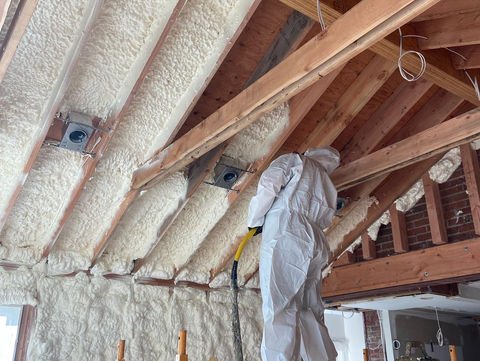
A spray foam installer working in a residential attic — a textbook example of where spray foam outperforms traditional insulation like fiberglass.
Industry

Spray Foam Insulation vs Fiberglass: An Honest Comparison

Both products insulate, but they don't perform the same. Here's a side-by-side covering R-value, air sealing, moisture, longevity, cost, and where each one makes sense.

Read the Article
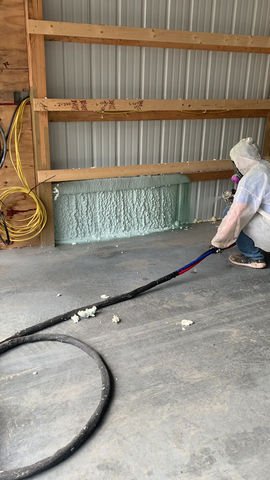
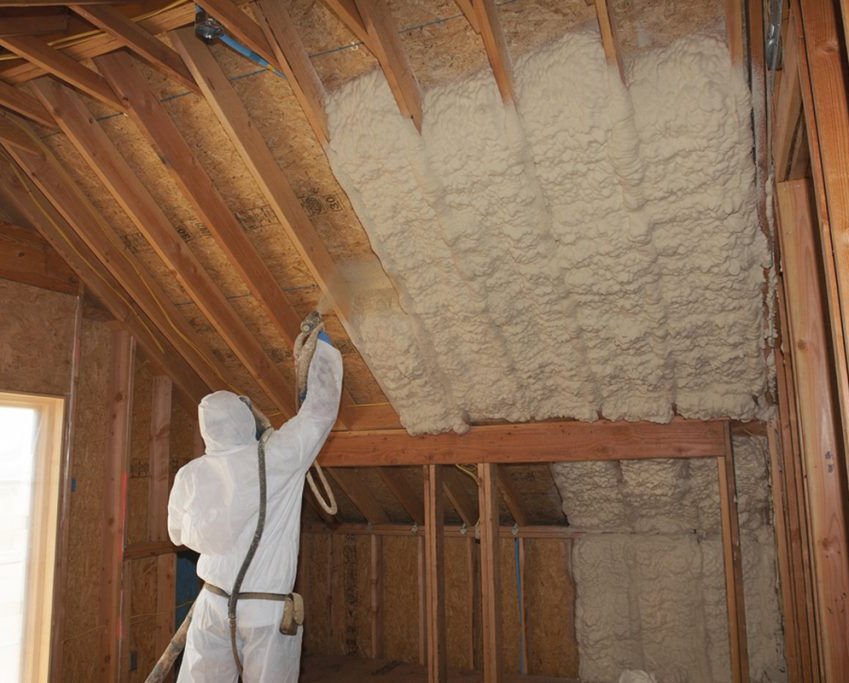
A professional spray foam installer at work, applying insulation to a building assembly — a real-world demonstration of spray foam performance.
Industry

Spray Foam Insulation R-Value: What It Means and Why It Matters

R-value is the most quoted number in insulation — and the most misunderstood. Here's what it actually means for spray foam, and where the headline number can fool you.

Read the Article
A spray foam installer in full personal protective equipment spraying in a residential attic — a textbook example of industry-standard jobsite safety and work ethic.
Industry

Is Spray Foam Insulation Safe? Health, Fire Ratings & Indoor Air Quality

Once cured, modern spray foam is inert. Here's an honest safety overview covering fire ratings, off-gassing, indoor air quality, and what to ask your installer.

Read the Article
Watch the Opportunity Video Learn About the Franchise See All Articles