The Core Equipment List
A working spray foam rig is really a system of components that have to be sized and matched to each other:
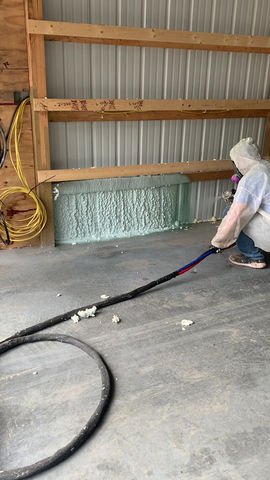
- Proportioner — mixes and heats the two spray foam components (the "A" and "B" side chemicals) to the right ratio and temperature before they reach the gun. This is the most expensive single piece of equipment and the one that determines job-site capacity.
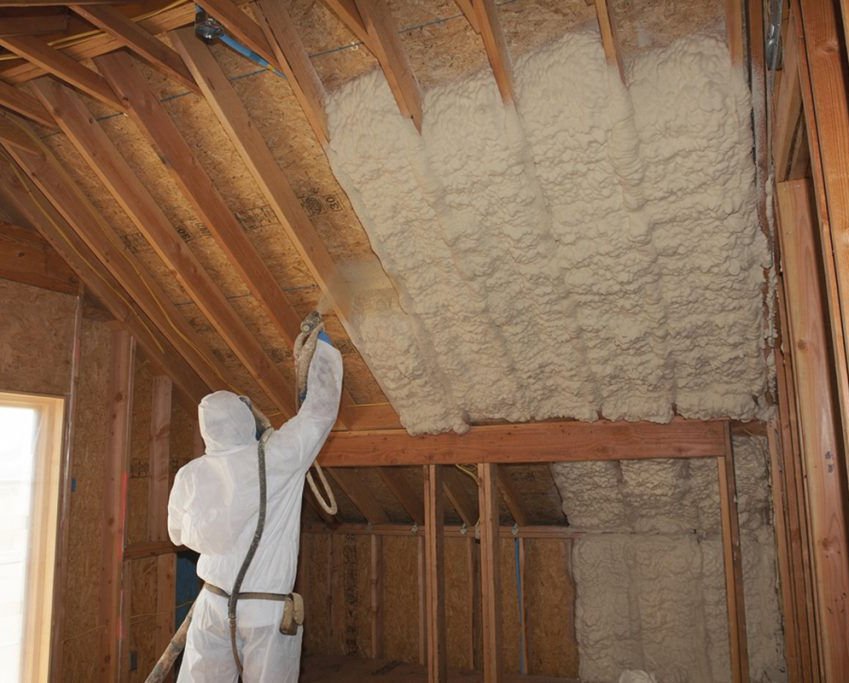
- Spray gun — attaches to the heated hoses and applies the mixed foam. Guns range from simpler mechanical-purge models to more expensive air-purge guns that require less maintenance.
- Heated hoses — keep the two components at spray temperature between the proportioner and the gun. Hose length affects how far from the rig you can work without repositioning.
- Compressor or generator — power for the proportioner and gun, especially on job sites without reliable power access.
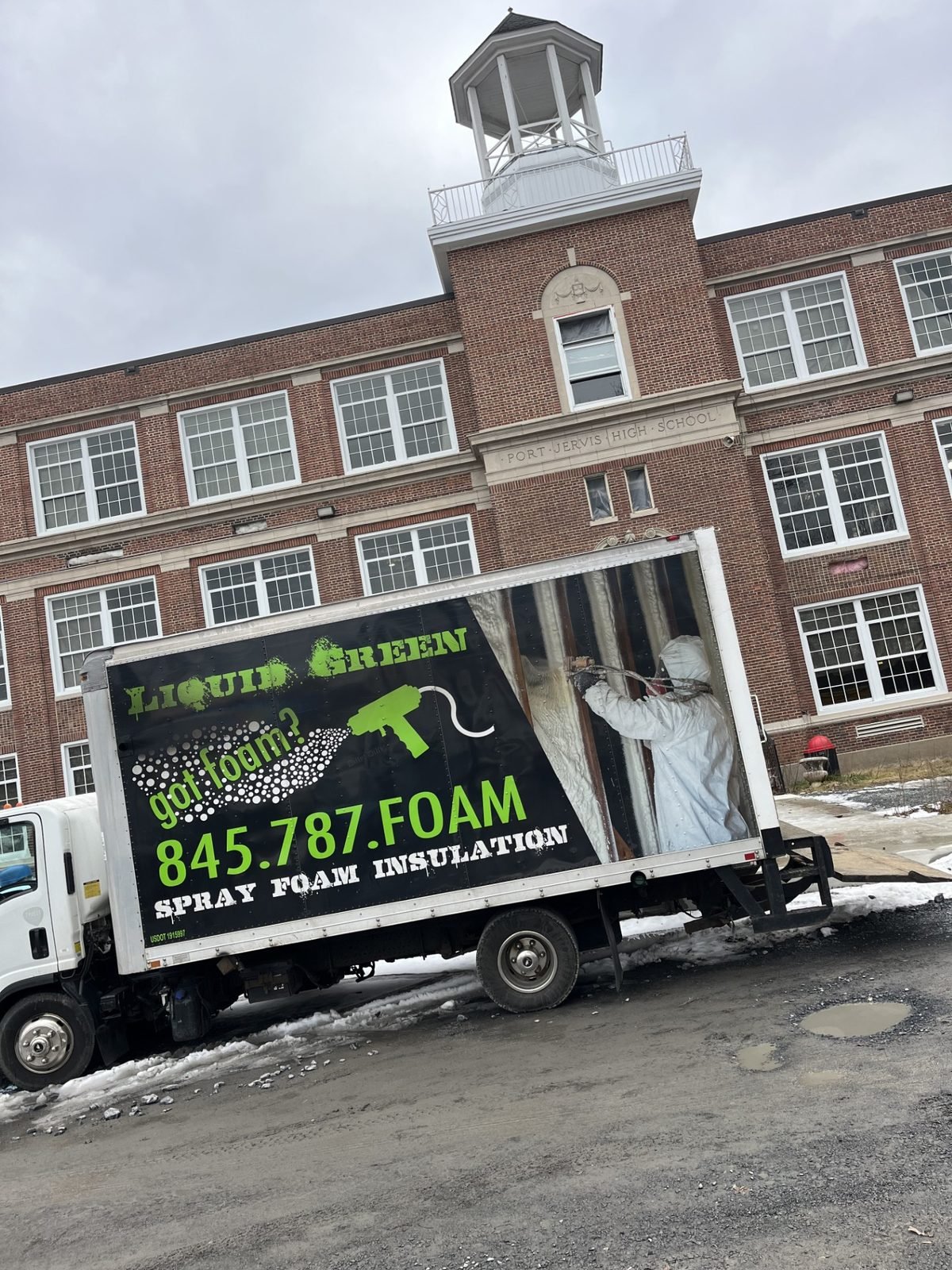
- Vehicle or trailer — to transport the rig; many owners start with an enclosed trailer rather than a full spray foam truck.
- PPE (personal protective equipment) — supplied-air respirators, coveralls, and gloves. Spray foam chemicals (isocyanates in particular) require real protective equipment, not optional gear — OSHA has specific guidance on this that any legitimate spray foam operation should be following.
What This Actually Costs
Exact pricing depends heavily on whether you're buying new or reconditioned equipment, and how much capacity (jobs per week) you're building toward from day one. As a general range across the industry: a complete rig setup — proportioner, gun, hoses, and a basic trailer — typically runs from the low five figures for an entry-level reconditioned system up toward six figures for a new, high-capacity commercial rig. Material costs (the foam itself) are ongoing, not one-time, and scale with how much you're spraying.
This is one of the areas where buying into an established franchise changes the picture. Liquid Green owners aren't sourcing and specifying equipment from scratch — the brand's training and onboarding program is built around a specified equipment package, so you're not guessing at proportioner sizing or hose length on your first purchase. Request the franchise kit for the current specifics.
What's Not Included in "Equipment"
It's worth being explicit about what this page does and doesn't cover, because these get confused often:
- Franchise fees and royalties — covered in the franchise cost breakdown, not here.
- The franchise-vs-independent decision — if you're still weighing whether to buy a franchise or build your own spray foam business from scratch, see Franchise vs. Starting Your Own, which covers training, licensing, and supplier access as part of that comparison.
- Working capital — payroll, insurance, and marketing for your first few months are a separate budget line from equipment, even though lenders often finance them together.
Buying New vs. Reconditioned
New equipment carries a manufacturer warranty and is calibrated from the factory, which matters for a first-time owner still learning proportioner maintenance. Reconditioned equipment costs less up front but shifts more maintenance risk onto you in year one — a worthwhile trade-off for some owners, a real risk for others depending on mechanical experience. This is a common early decision point, and it's one franchise training exists specifically to help new owners make with real data instead of guesswork.